切换导航
首页
投融资
HR科技云图
专栏
热点
员工体验
会员
出海
评选
深圳论坛
登录
注册
那年今日【09月19日】
观点
在线教育之困:三种提高用户参与度的模式
摘要:本文是网络公开课程学习平台Thinkful的联合创始人Dan Friedman的创业经验分享。在在线教育火爆的今天,他揭开了虚假繁荣背后这一行业掩盖的深深隐忧。虽然报名的人多,但是真正完成课程的人却寥寥无几。如何提高在线教育的参与度,作者提出了三种可资借鉴的模式。 三年前,Sebastian Thrun录制了其在斯坦福大学内讲授的一门人工智能课程,并上传至网络平台以供数量高达18万的学生进行在线学习,Sebastian Thrun本人同时也踏上了他的“高等教育改革”之路。不久后,由斯坦福大学两名计算机科学教授创办的免费大型网络公开课程项目Coursera、旨在实现民主教育的私立教育组织Udacity以及其它类似机构也纷纷表示将免费提供高价值课程,以期解决学生负债严重和经济困难的问题。自此,有超过800万学员进行了网络课程注册。 三年后的今天,这场轰轰烈烈的改革却终成泡影:参与注册的学生中仅有一半的到课率,这其中有些人甚至只听过一门课;只有4%的学生坚持学习并结业。而且,大型网络公开课程(MOCC)的受众中不少是已取得大学学位的人,这也使得“改变高等教育现状”的承诺成为空谈。MOOC的课程提供商对此的解释是:免费课程的完成情况并不能作为这场改革成功与否的准确衡量标志。但作为盈利性高校的美国圣何塞州立大学进行的一项实验也表明,网络课程模式下的教学效率确实比传统模式的低。 但话说回来,这样的结果并不让人惊讶。在线学习模式在很早前就解决了学习的渠道问题:注册网络公开课的800万人,加上iTunesU超过10亿次的下载量,我们确实能够感受到人们对在线课程的需求。但我们感受不到的是,这些网课能否像传统的教课一样有效,甚至比传统还有效?这些问题背后隐藏着的正是亟待人们关注的一个更难解决的问题:参与度。 如果你也是一名网络课程学生,也许你也会发现要坚持下来并非易事:经历了一整天的疲惫工作,“我要学习新技能!”的神圣目标常常会跟着关掉的网页被打入冷宫。在线学习同样也需要学生参加并通过测试:但这种测试不仅需要做到对学生有益,还需要让学生乐在其中。现在,一些互联网公司、大企业和高等院校终于搞清楚在线教育真正该往哪个方向发展了:即在合理的价格水平上推动实质性学习的大步向前。而就这个发展目标来说,已有三个可以促进它实现的途径:导师制、保留营销以及实践教学的新形式。 首先,人们早就发现,一对一的导师教学模式远比集体教学更有效率得多。全神贯注集中在一名导师的讲授上,能够使一个人的精力在正确的时间内集中在正确的问题上,从而加快他的学习进程;而同一名导师建立起真正的教学关系也能够给学生带去责任感。在个性化在线教育平台Thinkful,学生在导师上课前一天的学习情况会出现一个峰值。正是因为这样一对一的教学关系,才使得学生们想要达成更多学习目标,而这种渴望也因此转换为更多的高效学习。而Thinkful也正试图将这种社会压力应用到每一周的教学工作中去,以便在将来能应用到全部学习时间中去。其实有些时候,我们需要的只是来个敬重的人提醒自己:学习这块骨头,再难也要啃下去。 其次,学习也需要保留营销。有一系列方法,比如发送邮件、电话提醒以及推送消息,都能够保证现有的学生能持续参与到网课学习中去。 网络存储在线应用Dropbox在这方面就值得学习。当用户打开企业版云服务应用Dropbox for Teams的页面,Dropbox就会给用户发送一封邮件:“感谢你使用Dropbox for Teams!不过你可能还没完全了解以下这些Dropbox for Teams的功能……”。在对的时间为对的用户呈现出网课产品,在线学习平台就能帮助用户逐步培养起良好的学习习惯。还有些时候,我们需要的只是来个人提醒自己:该多花点时间学习了。 再次,在网课平台帮助用户的电脑和手机实现沉浸式学习体验之前,实现“实践教学”的新技术也无从谈起。20世纪60年代,著名心理学家Jerome Bruner宣扬一种被称为建构主义的教育理论,认为学生应该在教师的指导下,通过调查学习的方式,直观地对复杂的理论进行掌握。而这种尝试、失败而后由导师指引正确方向的教学方式,被证明是一种驱动学生持续学习的有效途径。 然而,我们还不清楚的是,这种“老酒”装进诸如沙盒游戏Minecraft或头戴式显示器Oculus这种“新瓶”里之后,能否收获比原来十倍甚至更高的学习效果?事实上, Minecraft应用于学习上的做法已初见成效;而就在本文刊发之际,Thinkful也对Oculus设备进行了采购,以期利用它推动实践教学。这种新的沉浸式虚拟学习环境能够紧紧抓住学生的注意力,是传统教科书无法做到的。 最后还有一个那些教育机构常用的“好办法”,有效、但长远来看却很致命:降低课程难度。经营网课平台的公司发现课程完成率较低,随即采取删减重要教材的“权宜之计”以提高结业率。 Udacity创立之初,它最初的学科难度跟斯坦福大学的相应课程难度保持在同一水平;如今,Udacity上有许多学科只需要花上40个小时就能全部完成。试想,花上一星期的功夫就能让斯坦福给你一个学科的学分,那名牌高校的老脸还往哪儿搁?再这么下去,不久的将来我们或许的确能够听到诸如网课完成率“飞速提高”这类“好消息”,但绝不会有人提起高完成率背后的低课程难度。 从某种程度上来说,这种所谓的“进步”对整个行业是一种伤害,因为学不到真正的技能,该没工作的还是找不到工作、该原地踏步的还是得不到晋升、产能低的员工还是提高不了工作效率。尽管我们不愿意干看着盈利性大学这么衰落下去,但报道里说得天花乱坠的权宜之计在长远看来也挽救不了什么。 就像前面说过的,渠道对于未来的在线学习来说已经不是问题:真正的问题在于如何利用已有的知识完成那些线下就能够完成的工作,同时结合那些只能在线才能完成的内容,共同创造出最令人乐不思蜀的学习体验。但不管如何杂糅,最本质的必要因素从来都是那几样:从实践探索的方式、周到人性化的体验、强有力的师资力量支持。 Source:TC
观点
2014年09月19日
资讯
微信企业号来了,看清这些优劣,再ready go
微信正式开启了微信企业号公测,最亮点是群发不再受限制,一是企业号与微信体验一致,应用活跃度高同时能够快速移动办公。二是企业号直接与企业原有IT系统对接,降低了第三方开发成本。 自微信6月份爆出微信企业号之后,受到了许多企业和商家的一度关注,但是可能基于该功能不完善的原因,微信团队之后再也没有相关微信企业号的消息。今天,让所有企业都在翘首盼望的时候,微信企业号这次真的来了! 今日,微信正式开启了微信企业号公测,目前公测版本面向所有用户,企业、政府及事业单位、社会化组织均可申请。今后,企业和各类组织等通过接入企业微信号,可以帮助企业建立员工、上下游供应链与企业IT系统间的连接,从而快速、低成本实现高质量的移动轻应用,实现生产、管理、协作、运营的移动化。 微信企业号最亮点:群发不再受限制 大家可能从之前的消息中会发现,微信企业号不同于微信订阅号和服务号,它是单独独立出来的一个服务类型。企业号的推出,将和订阅号和服务号形成三足鼎立之势,平分秋色。微信企业号针对性特别强,它是微信为企业员工或合作伙伴提供的一项专门服务,方便了企业和合作伙伴的相对服务。而且最给力的一点是微信企业号开通后,群发消息次数不受限制!今后,拥有了企业号,就不像像服务号一样纠结发送次数的烦恼了。 企业号关注更安全,应用可配置 微信企业号突出的特点就是在关注上更安全,应用上可便捷配置,极大的保证了安全性和便捷性。因为企业号只有企业通信录成员才能关注,确保了企业信息安全,同时一个微信企业号可配置多个类似服务号的应用。再加上发送次数不受限制,信息的传播达到了最大化。 微信企业号的推出可谓是面面俱到,细心入微,尤其是对于企业来说,各有利好。首先是对已经建设了IT系统的大企业,可直接将现有IT系统接入微信企业号,既保留用户PC端使用习惯,又快速实现企业应用移动化。另一方面,对于中小型企业,开通微信企业号可直接利用微信及公众号的基础能力,加强员工的沟通与协同,提升企业文化建设、公告通知、知识管理等各方面的能力。 微信企业号,连接企业另一种可能 首先,在企业场景应用上微信企业号有新的突破,能让员工无边界办公,随时随地省力又省心。透过员工随身携带的移动端实现无纸化办公,既提高办事效率,又人性化的降低了行政管理成本,让工作流程变得更高效。 其次,这开辟了一条高大上、时尚新鲜的未来管理之路。通过微客来的“摇一摇”真正实现了打卡签到这一功能,还可以提前预定会议室,在周末休息的时候请上级提交营销方案等,碎片化的时间,提升了组织协同运作能力,工作效率却是如此的有效率。 再者,在开发接口方面,微信企业号提供了更为完备的能力,逐步开放微信原生能力,实现端到端全流程的闭环管理。并结合微信已经开放的接口能力,微信企业号还可使用微信原生的拍照、扫码、开放平台的语音识别、图像识别的接口与服务、微信支付、企业红包接口等功能,带给企业更为快速、多元化的移动化办公解决方案。 企业号的到来,确实会为企业创造无形的价值利益。 主要就表现在两方面:一是企业号与微信现有的使用体验保持一致,能够快速部署,加之实现了企业应用移动化,应用活跃度高同时能够快速移动办公。二是企业号直接与企业原有IT系统对接,降低了第三方开发成本,大大为企业节约成本,是切实的利好。 但是美中不足的是,微信企业号的开通,小编觉得这也会带来一定的影响。 第一点就是当微信企业号真正实施开来,许多企业和组织就会“奔走”在企业号上,这将在一定时间内弱化运营订阅号乃至殃及服务号。 第二点即是消息无限制的推送,这需要把握好一个度和原则性。现在“红点效应”泛滥,无限制的消息压力可谓是十分大。移动办公虽轻松,消息压力来逼疯,希望小伙伴你最好不是处女座。 (本文系作者@Rio,首发钛媒体)
资讯
2014年09月19日
资讯
SAP 83亿美元收购差旅及企业费用管理软件商Concur,进一步覆盖企业市场需求
全球最大的企业软件公司SAP今天宣布,以 83 亿美元的价格收购企业费用及差旅管理软件商Concur,交易全部以股票形式完成,这也是 SAP 历史上出手最阔绰的一次收购案。 Concur 是一家位于美国的差旅及企业费用管理软件开发商,其拥有 23000 名的企业客户、2500 万名终端用户,涵盖了包括了公司、政府以及大学在内的机构。收购了 Concur 之后,SAP 的云服务用户将从 3800 万人上升至 5000 万人,在 2017 年全球企业云服务市场规模将达到 2350 亿美元的趋势之下,这些用户将体现出更大的价值。 而针对这次收购,SAP CEO Bill McDermott 说:收购 Concur 和他们打造一个企业网络的愿景相关,SAP 希望能够在企业内部乃至企业之间去激发商业上的创新。不论是 Ariba、Fieldglass 还是今天的 Concur,都是 SAP 走向打造企业网络过程中的一个小节点,他们希望可以重新定义企业出售商品和服务、管理劳动力以及差旅出行和娱乐消费的方式。同时,SAP HANA 云平台也将围绕 Concur 催生新的商业模式。 [本文参考以下来源:recode.net, forbes.com]
资讯
2014年09月19日
资讯
聚合专业招聘顾问的力量,“超级猎手”主打中小企业中级职位的招聘众包模式
招聘有两大要素,首先企业要提供充分的职位信息,其次候选人的人才库要足够庞大。只有两者互相积极撮合,才能真正把这个环节做实。 目前市场上许多垂直招聘平台如拉勾网、内推网、哪上班,做的事情是利用互联网的优势解决企业和应聘者之间的信息不对称。问题是在招聘信息铺天盖地的今天,不少企业假借招聘之名虚放职位做低成本的品牌宣传,招聘平台的简历库里又存在着大量虚假和无效简历,如何解决平台信息真实和有效性的问题也是招聘类网站寻找突破的方向。 超级猎手就想通过向企业预收费的方式来解决职位真实性和迫切性的痛点,企业预付了成本自然会将最有需求的职位放上去。当然,企业愿意预付费是因为超级猎手给出的价格更诱人,相当于候选人一个月的薪水,而猎头公司的行业平均价为候选人年薪的 20%-30%。 中小企业往往不愿付猎头公司的服务成本来招聘中级职位,这也使得超级猎手能够顺利切入这块市场,专注做中小企业的中级职位招聘,年薪范围在10万元-40万元。从用户的体验出发,CEO 兼创始人车健认为,如果平台还是定位在猎头目标的职位像猎上网一样,线上的体验未必会比线下好,所以超级猎手锁定在比猎头业务范围稍低一点的职位,也就是操作起来短平快的职位。 如今,去中介化猎头化已成互联网招聘的一大趋势,但车健认为成功的招聘离不开专业的招聘服务。同样的信息和渠道,为何招聘效果会差别很大? 利用中间方——招聘顾问的专业能力就显得很重要。 这里的招聘顾问指的是:猎头公司顾问、企业 HR、行业资深人员,他们拥有相关行业知识背景、了解职位的关键要点、也具备对人的筛选鉴别能力。超级猎手通过众包的方式在线悬赏,吸引这群人利用空余时间直接为企业提供招聘服务。这样,通过招聘顾问的帮助,企业招聘人员可以快速获得大量经过沟通和筛选的目标候选人,实现快速有效的招聘,招聘成本约为猎头费用的 1/4~1/3;同时招聘顾问们也能获得较为稳定的收入,甚至以后可以实现上班自由。 超级猎手的另一大特点在于它可以直接对接招聘顾问与企业的平台。通过类似阿里旺旺的聊天工具来使企业和招聘顾问进行零距离的沟通。目前其他的招聘平台都选择由平台客服做传话筒对接企业和招聘顾问,目的是杜绝“跳单”行为(即“跳中介”)。 当被问及为何超级猎手愿意有此尝试,CEO 车健告诉36氪,他认为企业放出的JD往往并不代表他们招人的真正需求,只有让招聘顾问同企业负责人和HR做深入沟通,才能真正了解他们需要招聘的人才“对症下药”,从而提升招聘效率降低招聘成本。同时,即使跳单发生,招聘顾问也很难以个人身份同企业签署招聘服务协议,而猎头公司的开价会高很多,背靠猎头公司的名义同企业签单也不现实。除了零距离对接招聘顾问和企业,超级猎手还为他们提供了招聘全流程管理的平台,可以让招聘双方在平台上很好地协同工作。 盈利模式上,超级猎手作为平台方,收取 30% 的佣金,按照结果收费。举个例子,若应聘者在上岗 45 天后得以留用,猎头费中的 70% 归招聘顾问所有,另外 30% 由超级猎手获得。 谈到产品最大的壁垒,车健认为是团队在招聘整个行业的积累,之前两年都在干相关的工作,同时技术研发实力强,合伙人唐新怀博士是上海交大软件学院的副教授,有 10 年以上的产品开发和企业管理经验。换做单纯技术型公司来干,不了解企业的招聘流程和需求点,很难在线下把招聘落地,实实在在地使企业招到需要的人才。 鉴于企业费用审批流程和市场恶性竞争等原因,目前能够顺利接受预付费的企业只占到商谈企业的 16%-18% 左右,但车健认为首先 20% 不到的这块市场其实就已经不小,中小微企业约占全国企业总数的 99.7%。同时,随着推广的加强,团队与企业沟通方式和技巧的转变,以及业内知名度提升,未来这个比例将不断提高。 超级猎手是一款 Web 端的产品,自今年 5 月平台上线以来,有 200 多名招聘顾问入驻平台,同三十家企业签约。线上目前有二十七个真实的企业职位,主要涵盖 IT、互联网、金融、房地产几个行业。 [36氪原创文章,作者: 人人酱]
资讯
2014年09月19日
资讯
Lumesse路敏思和KNX肯耐珂萨合作推动点对点式人才管理解决方案在中国实施
2014年9月19日下午,Lumesse路敏思,全球人才管理解决方案提供商和KNX肯耐珂萨,中国综合人力资源解决方案供应商今天宣布双方达成销售及分销协议。 新闻发布会由路敏思全球CEO Thomas Volk、路敏思亚太区总裁Erik以及KNX肯耐珂萨总经理David分别致辞。三位高管称,此排他性的合作关系将Lumesse的人才解决方案的专业知识和肯耐珂萨本地人才管理经验以及强大的市场认知相结合,将为中国大中型企业带来非凡价值。 人才管理已经成为识别、吸引、管理、发展以及雇佣人才的关键管理环节。KNX肯耐珂萨研究院执行院长Anthony Mak先生表示,传统的HR职责将85%的精力用在了行政工作上,对人才战略的研究和实施起到的作用不大,而显得人力资本模型则要求HR将被动变为主动,需要将主要精力花在人才战略和培养的层面。他认为,这需要通过第三方服务商从新的角度和方式来帮助解决,这是一个完整的系统和服务。 “我们的客户期望我们能提供点对点式的人才管理解决方案以达到人才管理的一站式服务,”肯耐珂萨总经理David Shen说,“Lumesse是全球唯一一家做到满足人才招聘和人才管理本地化实施的提供商。Lumesse人才管理产品在深度、广度和适应性方面的功能非常完备,我们完全相信这些能够满足本土客户的需求。” Erik Schmit,Lumesse亚太区副总裁表示,“我们很高兴成为肯耐珂萨的商业伙伴,肯耐珂萨在业界拥有良好的声誉,在中国人才管理市场中有着丰富的经验和坚实的足迹。这次合作旨在为客户以及他们在中国日益增长的本地需求和定制化的人才解决方案带来巨大收益。”
资讯
2014年09月19日
资讯
这是一个悲伤的故事:SAP CEO楼梯摔倒失去左眼 仍将执掌公司
德国软件巨头SAP周四宣布,公司首席执行官迈克德马特因意外从楼梯上摔倒,面部碰到碎玻璃,导致失去一只眼睛,但是他仍将继续领导SAP公司。 据美国财经新闻网站CNBC报道,迈克德马特今年54岁,七月份,他在美国的亲戚家停留,结果遭遇了意外故事。 有一天夜间,迈克德马特拿着一杯水,结果在楼梯的地毯上滑倒,玻璃杯摔碎,不幸的是,他的面部碰触到了碎玻璃,导致失去知觉。 迈克德马特差点因失血过多死亡,但他随后恢复了意识,大喊救命。随后亲戚将他送往医院,由于发生感染,迈克德马特失去了一只左眼,目前他已经安装了一只人工眼睛。 这位高管对德国媒体表示,他仍然健康活着,比过去更加坚强,更加富有激情,他仍然可以为SAP公司效力,完成自己的工作使命。 迈克德马特表示,他的健康状况已经好转,预计在10月份可以再次乘坐飞机,届时将会返回德国重新掌管SAP公司。 和许多大型公司一样,SAP也有紧急情况下的高管备份计划,不过该公司监事会的主席Hasso Plattner对德国媒体表示,由于迈克德马特的身体已经逐步康复,因此已经不需要让其他高管来接替首席执行官的职务。 迈克德马克表示,整个SAP监事会仍然对他充满信心,他将会在10月份参加公司的董事会会议。 SAP是全世界最大的商用管理软件公司。为了让企业从传统管理软件转型到云计算、云服务时代,迈克德马特实施了几次重大的并购交易。 据报道,迈克德马克口才流利,曾经是一名成绩斐然的销售员。去年他出版了一本自传,讲述自己在职场的打拼经历。 迈克德马克是一名美国人,他的家在美国,因此经常在美国住所和德国SAP总部之间飞来飞去。(晨曦)
资讯
2015年09月19日
资讯
在大数据时代,每家公司都要有大数据部门吗?
本文作者:桑文锋,神策数据创始人&CEO,前百度大数据部技术经理;神策数据(Sensors Data)是一家专业的大数据分析服务公司,致力于通过大数据技术帮助客户实现数据驱动,提升用户体验。 如果这个问题换做是:在电气时代,每家公司都要有个发电厂吗?是不是会更好回答一些? 事实上每一种重大技术的出现,都会对产业产生大的变化。在蒸汽时代,采矿机采用蒸汽机后,会带来生产效率的极大提升,而轮船加上蒸汽机,再也不需要靠风才能航海了。在电气时代,电灯代替了蜡烛,电报代替了快马送信,而报纸也被广播和电视所侵蚀。 可以说是现有产业加上新技术,形成了新产业。 我们回过头来看这两次工业革命,生产蒸汽机的企业只有少量几家,而发电的企业在美国也只有通用电气和西屋电气。并不是每家企业都要从事这些基础设施的研发和生产,更多的是对新技术加以应用,发挥新技术带来的价值。 在 IT 领域,软件刚出来时,可以说是计算和存储完全混杂在一起。有人尝试将计算硬件进行分离,歪打正着成就了 Intel。有人尝试将存储系统分离,因而有了 Oracle。 Intel 和 Oracle 固然伟大,但它们的价值更多的还在于有广大的企业采用了这些新的技术,在具体的行业中,产生了更大的价值。 同样,云计算这种理念固然是好,但如果每家企业都建立自己的云计算中心,从资金和人力投入上,一定是不划算的,更严重的问题是做不到最优。相反,有了 AWS 和阿里云这样的云计算提供商,让中小企业更便捷的进行创新应用。 回到题目中的问题,在大数据时代,每家公司都要有自己的大数据部门吗?结论也不能下的太武断。 早在 2008 年,云计算的概念刚刚兴起,百度内部出现了两拨势力。一拨要从零开始打造自己的大数据底层技术,把 MapReduce、GFS、BigTable 这些组件都要实现一遍,结果花了两三年时间,也没能稳定运行。 而另外一拨势力,直接采纳开源的 Hadoop 生态,很快在公司内应用起来。而我当时做的日志统计平台,也是采用了 Hadoop。但百度的数据规模毕竟太大了,所需的集群规模,开源版本根本撑不住,于是不得不改写 Hadoop,这样就和开源的版本渐行渐远,等到后来再也合不到一起了。 曾经有一年多的时间,我们部门新设计和实现底层的存储及计算系统,结果发现开源的版本也差不多实现到了同样效果。虽然许多内部的人觉得我们怎么总重复造轮子,但我明白还是需求使然,你面临的需求相对领先,但也没有领先到像 Google 那样提早 5 年。 但对于小公司来说,则完全没必要从零开始做,还是要尽量用开源的产品。 整个 Hadoop 生态,要比我 2008 年刚用的时候,要成熟很多。那个时候我们去拿开源的版本,编译部署,一个新手可能两周都不一定能正常的运转起来。而现在下载一个 Cloudera 发行版,两个小时就可以正常跑任务了。 与此同时,又面临了新的问题,因为大数据平台牵涉到数据的采集、传输、建模存储、查询分析、可视化等多个环节,而开源领域只是一些组件,于是各家公司都在纷纷打造自己的大数据平台,这就像 Oracle 之前,各家都在打造自己的存储系统。这显然不是一件性价比高的事情。 有市场需求,就会有满足相应需求的公司诞生,于是就诞生了一堆提供大数据服务的公司。 由于这一新领域还处于早期,这些创业公司所能提供的服务并不会特别的完善,要么是以项目制的方式运转,要么是提供专门应用场景的服务。 这样,对于一些企业来说,这些创业公司提供的服务,似乎自己也能实现,那何不干脆自己做? 这创业一年多以来,我看到了太多的公司在打造自己的数据平台,但做的还不够完善。不管是技术实力还是人力投入上,都有点力不从心。如果选用了这些第三方数据服务,那岂不饭碗被抢了? 可我要说的是,饭碗早晚都会被抢,只是时间早晚的问题。这里只需要问一个问题:我所做的数据平台,是不是其他公司也是类似的需求?如果是的话,那肯定也有其他公司做着类似的事情,做的东西会大同小异。 那么,就会出现专门的公司,来解决这种通用的需求。因为这些公司专注于解决这一块问题,所以会更加专业,并且舍得投入。而对于需求公司来说,除非自己转型去专门做大数据平台,不然在投入上,肯定不是一件性价比很高的事情。与其如此,不如及早侧重于自己的核心业务,关注应用需求本身。 那对于企业来说,在大数据时代,应该怎么做呢?我的建议是三点: 首先,要拥抱大数据技术。 新的重大技术出现,都带有颠覆性。一不小心,就会被革命。但也不是说企业已有的业务不用搞了,都来搞大数据吧。 在大数据这件事上,还是要从需求出发,而不是从大数据出发。 有人会问我,我有了一些数据,给我讲讲怎么能发挥更大的价值。坦率来说,许多时候不了解业务场景,很难提出建设性的意见的。 相反,我们要先看在企业满足客户需求的时候,还有哪些重大问题没有解决好,如果采用了大数据技术,是不是可以更好的解决?如果有这样的点,那非常好,就勇于去尝试。如果没有,那就继续学习大数据的知识,再等待这样的场景出现。 其次,企业要有懂大数据的人。 这种人不一定是全职的,但至少是可以将企业的业务和大数据技术结合起来的人。这种人不一定对大数据技术本身很懂,但善于使用新技术。 如果企业现在还没有,并且还没招到。可以去培养一个头脑灵活,乐于学习新技术的人。如果抛开大数据系统的实现挑战,理解大数据的应用场景,那难度会降低不少。 最后,要善于利用第三方服务。 能用第三方服务解决的,就尽快去尝试。在竞争激烈的情况下,通过采用新技术,获得技术红利,跑的更快。就像爱迪生当年发明白炽灯后,那些更早将白炽灯用于工厂的企业家,更有可能提升工人的工作效率。 这篇文章的内容,主要参考了吴军的新书《智能时代》。对大数据和机器智能感兴趣的读者,强烈推荐这本书。
资讯
2016年09月19日
投融资
多种方式点名签到,考勤软件“签到荚”获100万人民币种子投资
来源:猎云网 文/江朋 近日,签到荚团队已经获得了由个人企业家投资的100万元人民币种子轮融资。据悉,团队正在积极寻求下一轮融资。 传统点名方式太落后,一场点名下来半节课都过去了;点名签到后,教师统计难度大,耗时也耗力。为有效降低签到、点名效率,点点时光科技研发了一款智能考勤软件——签到荚。 签到荚于今年8月底上线,是一款专为减轻高校教师工作量,帮助学生求职、留学的免费手机应用。产品上线2周,注册用户达1.5万人,产品使用次数近4万。 签到荚提供定时点名、扫码点名、刷脸签到、定位签到等多种点名签到手段,教师无需输入学生花名册即可分分钟完成上万人的考勤,大大提高工作效率。 此外,依据点名签到结果,产品能自动建立用户个人和群组档案。当然,团队会注重教职工与学生的信息隐私保护。签到荚联合创始人石坚表示,产品希望借助点名签到功能让学校预判学生的生活、心理状况,做到时刻关注学生日常生活及安全。 作为一款方便、快捷的高校考勤工具,签到荚提供通知、公告、活动的发布与报名,并了解谁阅读了通知,谁报名参加了活动;还能实现平时成绩记录,问卷调查,课程表等多种功能 ;同时,查阅分享课程信息、了解留学和继续深造的相关咨询、关注招聘及兼职信息也是签到荚的一大特色。 据统计,签到荚已在武汉大学、华中科技大学、文华学院、湖北大学、惠州市技师学院等多所高校试用成功。团队目前已经合作的企业有12家,在审核招人企业的合法性和安全性后,平台会为企业推荐满足条件的优质生源,这也是团队目前的主要盈利点。目前,签到荚团队正在进行产品优化和积累用户。 相比有类似点名签到功能的应用,像微助教,学生需要借助微信公众号进行签到操作,页面会显示签到时间、人数和签到率;轻松点名,用户可在线完成点名流程,还有数据统计、查询等功能。签到荚有自己的技术门槛,产品提出了能在室内进行准确定位的解决方案;在人脸识别技术上,团队有自主知识产权,能支持大量用户免费、并发使用。 签到荚团队目前有8个人,核心成员3人:负责技术的陈琳,曾是慢先生App的主要完成人;负责市场的方华,是纳杰人才网前副总;负责算法及信息资源管理的王慧敏,毕业于华中农业大学地理信息系统专业。
投融资
2016年09月19日
新创
真格基金内部孵化的投后项目ZhenHR,为初创企业提供一站式人力资源服务
投后管理作为投资基金“募、投、管、退”四要点之一,涵盖了实施投资后到项目退出之前的这段期间。由于项目投资具有不确定性,投后管理的作用是管理和降低项目投资风险,最终实现投资的保值增值。比如说真格基金的投后管理会为被投公司提供人员招聘、PR品牌、资本对接、财务法务顾问等服务。 但投资机构做投后需要占用管理费,一方面机构没那么多财力支持,另一方面投后团队人员有限,难以满足被投企业的需求。另外,对初创团队创始人来说,他们往往深耕某领域,在HR管理方面的经验比较薄弱:不知道是否应该雇HR以及雇用什么样的HR。而且搭建初创团队,要明白究竟需要什么样的人才,而非笼统的诸如BAT出身等要求,但事实上团队目前可能只需要一个专员就够了。 基于此,真格基金切中初创团队HR投后服务的刚需,内部孵化了一个投后商业化项目——ZhenHR,为CEO提供一站式人力资源服务,目前主要面向真格系初创公司。“易人事”是其推出的P1产品,包含有员工入职管理、薪资激励、员工管理、离职管理和增值服务。ZhenHR CEO 杨莉告诉36氪,这相当于人事管理综合的数据库,里面可以收录员工相关数据信息,以便初创团队后期融资以及管理需要;另外,也可通过平台下载相应的模版,如合同等。 ZhenHR其实还做了P2、P3两个产品,其中P2提供招聘外包的服务,通过有RPO服务经验的组合团队,帮助初创公司管理招聘渠道,并选择与公司现阶段需求更为匹配的候选人,整个过程包含从邀约到面试到Offer发放。 P3主要对接高端职位需求,比如说CTO、联合创始人等。 不少做HR企业级市场的公司,如薪酬SaaS公司“薪人薪事”、Tower推出的“知人”、以及哪上班团队做的“大象人事”等。杨莉认为,“薪人薪事”更专注于薪酬服务方面,而“知人”主要是想把P1的产品做得极致化,未来再通过这些数据做大数据化的管理。而在P3产品这块,其与猎头公司的差别在于,脱胎于真格基金的ZhenHR对真格系创始团队更为了解。 商业模式上,ZhenHR P1产品早期可能会免费,其收费主要来源于P2和P3。 据了解,目前ZhenHR团队有十多人,其中CEO杨莉也是真格基金的人力资源总监,拥有超15年的人力资源管理经验。她曾创业4年,担任过腾讯旗下团购电商高朋网的全国人力资源副总裁,后又作为第一号创始成员参与了社交产品:“碰碰 ”从0到B轮的全过程。ZhenHR已获得真格基金数百万元天使轮投资。杨莉表示,未来也会向真格系外部的初创团队拓展。 来源:36氪,作者:刘慧姝,如若转载,请注明出处:http://36kr.com/p/5052805.html
新创
2016年09月19日
投融资
Boss直聘获今日资本数千万美元C轮投资
9月18日,Boss直聘宣布完成数千万美元C轮融资,投资方为今日资本。此前,Boss直聘在其上线两周年相关活动透露,Boss直聘已经完成公司第5轮融资,同时正式推出企业品牌IP——Boss直聘精灵直直。 BOSS直聘诞生于2014年7月 ,是一款让牛人和未来BOSS直接线上开聊的方式找工作的应用。用户可在APP上采用聊天的方式,与企业高管,甚至是创始人一对一沟通,更快速地获得offer。 据数据显示,Boss直聘App上线两年,已经积累了超过950万用户,其中注册Boss总数达到117万,D轮前创业公司覆盖率达到60%以上。 未来Boss直聘将正式开启商业化进程、开拓国际市场,据创始人赵鹏透露,从今年6月份的数据显示,已经有来自全球的109个国家和地区的人在使用Boss直聘。并且,赵鹏将Boss直聘的商业模式分为当下和未来,当下主要是企业方打赏的形式,将来会采用按结果付费的做法。
投融资
2016年09月19日
1
2
3
4
》
最近文章
【美国】AI数字员工提供商Magentic获得1800万美元A轮融资,致力于为实体世界打造AI人才队伍
2026年09月18日
【美国】医疗AI平台Ferry Health获得900万美元种子轮融资,推出AI医疗个人助理
2026年09月17日
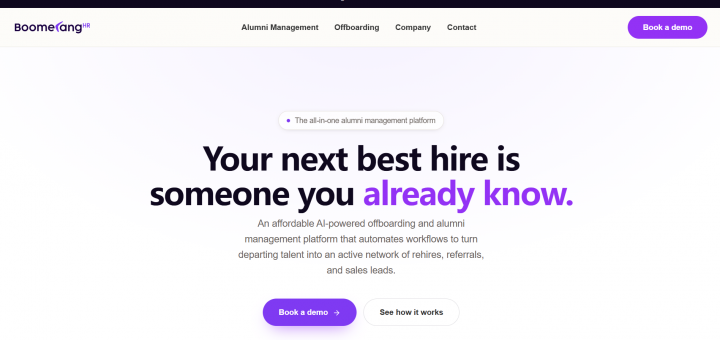
【美国】专注于离职管理和校友管理的AI驱动平台BoomerangHR获得1270万美元种子轮融资,重构离职与校友人才价值体系
2026年09月16日
【美国】员工医疗福利平台Thatch获1.08亿美元C轮融资,估值达10亿美元
2026年09月16日
【美国】AI原生第三方健康保险管理平台Nara Health获得1400万美元预种子轮与种子轮融资,旨在通过AI重塑健康保险行业
2026年09月15日
超越招聘:以技能底座重构企业劳动力规划
2026年09月14日
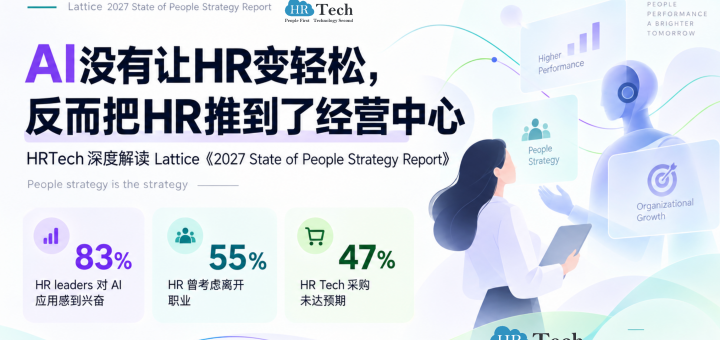
调查显示:AI没有让HR变轻松,反而把HR推到了经营中心
2026年09月14日
【澳大利亚】劳动管理平台Tanda获得一笔战略增长投资,以推动全球劳动力管理创新
2026年09月11日
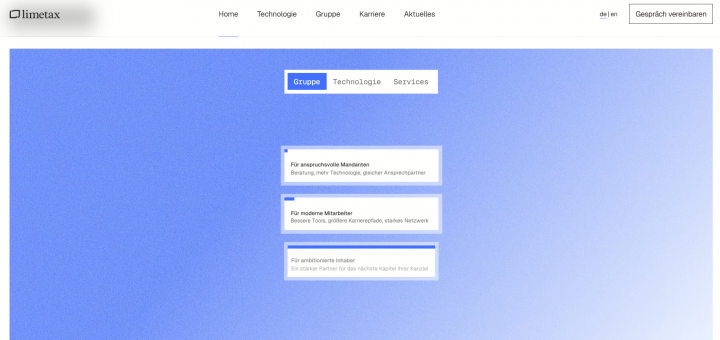
【柏林】税务AI代理平台Limetax获得3600万欧元融资,旨在以AI代理释放专业人力
2026年09月10日
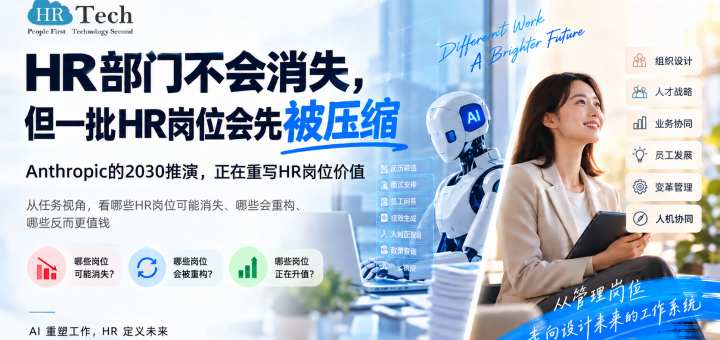
HR部门不会消失,但一批HR岗位会先被压缩:Anthropic的2030推演,正在重写HR岗位价值
2026年09月10日
热门文章
扫一扫 加微信 hrtechchina
关于我们
|
商务合作
|
加入我们
|
2022新版员工体验旅程图
|
ChatGPT与HR
|
2024年HRTech活动计划
|
HR出海频道
|
HR云图
|
资料下载
|
北美华人人力资源协会
|
马上加入出海俱乐部
|
推动HR工作中实践负责任AI的倡议书
|
出海北美第一站
|
HR上市公司财报
|
出海版HR科技云图
|
北美华人HR招聘平台
|
美国签证优选服务
|
3月全球HR科技投融资报告
|
4月最新全球人力资源上市公司 TOP10市值榜单
|
4月最新中国大陆地区人力资源上市公司市值 TOP10 榜单
|
HRTech邮件订阅
|
HRAI能力成熟度测评
|
Workday财报:27财年Q1财报
|
员工体验旅程图最新版
|
BOSS直聘财报解读
|
HR科技云图认证服务
|
8月2026 全球人力资源上市公司 TOP10 市值榜单
|
HRTech 月度观察 · 2026年8月
|
北京HRTech XPO超级盛典
|
【测评】出海HR负责人能力测评
Email:
hi@hrtechchina.com
Copyright © 2026 HRTechChina.All Rights Reserved.
沪ICP备 08005049号-4.
×
登录
用户注册
微信登录
手机号码
密码
保持登录
忘记密码
登录

 观点
观点
 资讯
资讯
 资讯
资讯
 资讯
资讯
 资讯
资讯
 资讯
资讯
 资讯
资讯
 投融资
投融资
 新创
新创
 投融资
投融资



 扫一扫 加微信
hrtechchina
扫一扫 加微信
hrtechchina