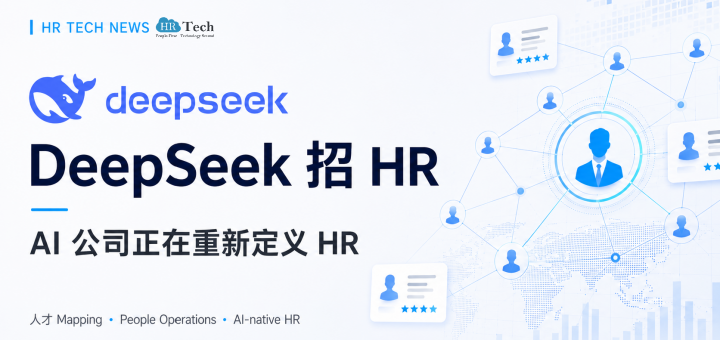
DeepSeek 招 HR,真正的信号是 AI 公司正在重新定义 HRDeepSeek 最近发布的 HR 团队招聘信息,表面上看是一次普通的职能岗位补充,但如果放在 AI 公司组织扩张的背景下看,它释放出的信号并不简单。它不是在寻找传统意义上的招聘执行者,也不是单纯补充人事运营人员,而是在为一家 AGI 导向的技术公司搭建更长期的人才识别、组织服务和文化承载能力。你觉得呢
HR 不再只是支持部门,而是 AI 公司的人才基础设施
这份 JD 最突出的特点,是将 HR 直接放进 AGI 叙事之中。岗位描述里反复出现“AGI”“长期主义”“人类潜能”“人才土壤”“共建者”等关键词,这说明 DeepSeek 对 HR 的定位并不是后台支持,而是组织能力的一部分。对于 AI 公司来说,真正的竞争不只是模型、算力和数据,也包括能否持续吸引、识别、保留并激发顶尖人才。技术突破背后,最终还是人的密度、协作方式和创新环境。
这也意味着,AI 时代的 HR 不再只是处理流程、发布岗位、安排面试和完成入职,而是要参与构建公司的人才系统。谁能识别未来可能成长为关键人才的人,谁能建立长期人才关系,谁能让高潜人才进入组织后真正发挥作用,谁就在参与一家 AI 公司的核心能力建设。
招聘 HR 的能力正在从“招人”转向“人才情报”
在招聘 HR 方向中,最值得关注的是“系统性 Mapping”“海内外高潜人才”“长期、真诚的互动”“准确识别能力特质与职业诉求”。这不是传统招聘专员的工作语言,而更接近 Talent Intelligence。DeepSeek 想要的不是只会在招聘平台上筛简历、推流程的人,而是能够理解技术人才市场、判断人才潜力、建立候选人网络,并长期经营人才池的 HR。
更重要的是,JD 中提到要识别“尚未被市场验证、却蕴含巨大潜力的人才”。这句话很关键。很多公司的人才策略是抢已经被大厂、论文、title 和薪酬证明过的人,但真正有长期竞争力的组织,往往需要更早地发现那些还没有被市场充分定价的人。这样的招聘 HR,本质上更像“人才投资人”:既要懂人,也要懂技术组织的成长逻辑。
招聘闭环被拉长,Quality of Hire 变得更重要
这份 JD 还明确要求招聘 HR 跟踪候选人入职后的融入情况,协助解决初期适应问题,确保招聘成果真正落地。这说明 DeepSeek 对招聘结果的理解,不只是 offer 数量和入职人数,而是候选人进入组织后的适配、留存和实际贡献。
这对 HR 是很大的能力升级。过去很多招聘团队的 KPI 停留在招聘周期、到岗率和 HC 完成率,但在高密度人才组织中,真正重要的是 Quality of Hire。一个关键人才是否适应团队节奏,是否理解公司使命,是否能与现有研发文化协作,都会直接影响组织效率。招聘不再是交易,而是人才进入组织后的持续转化过程。
综合服务 HR 不是行政人事,而是 People Operations
另一个方向“综合服务 HR”也值得注意。它覆盖入职、档案、考勤、薪酬、福利等基础人事流程,但 JD 同时强调要运用自动化工具和 AI 能力持续优化流程,提高效率和员工体验。这意味着 DeepSeek 并不希望这个角色停留在传统事务型 HR,而是希望其成为 People Operations 的建设者。
对快速成长的 AI 公司来说,基础人事流程看似普通,实际上决定了组织扩张的稳定性。员工能否顺利入职,薪酬福利是否准确,问题响应是否及时,跨城市团队服务是否一致,都会影响员工对组织的信任感。AI 公司越强调长期主义,越不能忽视这些基础体验。真正好的 HR Ops,不是把流程做复杂,而是用系统、工具和服务意识,让组织在扩张中保持清晰、稳定和高效。
AI 公司正在要求 HR 自身也变得 AI-native
这份 JD 的另一个重要信号,是 HR 不只是服务 AI 公司,还要主动使用 AI 工具改造自己的工作。综合服务方向明确提出自动化和 AI 能力,这意味着 AI-native 组织不会允许 HR 仍然停留在传统手工流程中。未来 HR 的价值,不是简单地“更有人情味”,而是在效率、数据、体验和判断之间找到新的平衡。
招聘可以借助 AI 做人才 mapping、简历分析和候选人关系管理;HR Ops 可以用自动化工具优化入职、档案、薪酬福利和员工问答;HRBP 则需要用数据和组织洞察支持更复杂的人才决策。AI 不会让 HR 消失,但会让低效、重复、缺乏判断力的 HR 工作被重新定价。
真正的启发:HR 也要进入下一代能力模型
DeepSeek 这份 HR 招聘信息最值得关注的地方,不在于它招了几个 HR,而在于它呈现了 AI 时代 HR 能力模型的变化。未来优秀的 HR,不能只会执行流程,也不能只会讲文化,而是要同时具备人才洞察、组织理解、数据意识、系统化能力和长期主义。
AI 公司正在重新定义人才,也正在重新定义 HR。对 HR 从业者来说,这既是压力,也是机会。真正有价值的 HR,不会只是“支持业务的人”,而会成为理解技术变革、识别关键人才、建设组织土壤的人。DeepSeek 招 HR 的背后,看到的是一个更大的趋势:在 AI 时代,人才不是资源部门管理的对象,而是公司最核心的生产力系统。
薪酬福利
2026年06月29日
薪酬福利
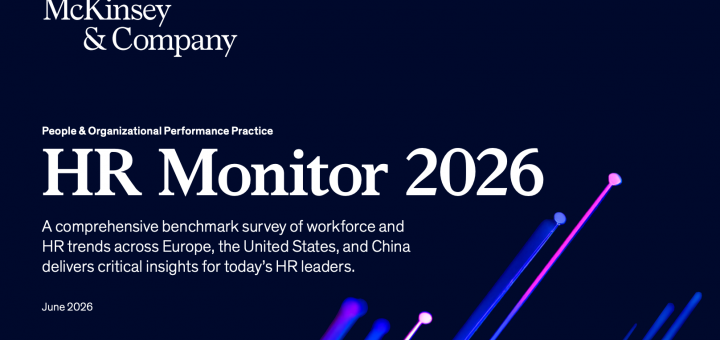
麦肯锡《HR Monitor 2026》发布:HR职能进入人机协作时代的系统级转型(附录下载)2026 年,人力资源部门正在进入一个新的临界点。根据麦肯锡最新发布的《HR Monitor 2026》,在人工智能重塑工作方式、技能结构和组织运行模式的背景下,HR 的角色正在从传统的职能卓越(functional excellence),转向更深层的系统级转型(system-level transformation)。这份报告基于对欧洲、美国和中国等 10 个国家约 1,300 名 HR 专业人士和 5,500 名员工的调研,呈现出一个清晰信号:未来 HR 的核心价值,不再只是把招聘、培训、绩效和员工体验做得更高效,而是帮助企业重新定义工作、能力、人才供给和人机协作方式。
HR正在从支持部门变成组织转型的设计者
过去很长一段时间,HR 的专业化主要体现在流程、制度和模块能力上,例如招聘效率、培训体系、绩效管理、薪酬福利和员工关系。但在 AI 加速进入企业核心流程之后,HR 面临的任务已经发生变化。报告提出,HR 需要同时扮演两种角色:一是 AI 转型的组织架构师,参与设计岗位、任务和能力如何变化;二是企业内部的示范者,通过自身运营模式的重塑,率先展示 AI 如何真正嵌入工作流程。
这意味着,HR 不能再只停留在“服务业务”的位置,而要参与回答企业未来三到五年的关键问题:哪些工作会被自动化,哪些岗位会被重新组合,哪些技能会变得更重要,哪些员工需要重新培养,哪些流程可以交给 AI 代理(AI agents)完成。真正的 HR 转型,正在从事务效率问题,变成组织能力问题。
人力规划仍然过于短期,能力规划才是关键
报告中最值得警惕的数据是,只有 11% 的组织真正采用三年以上的长期人力规划。虽然不少企业已经开展人力规划,但多数仍停留在短期编制、岗位和预算层面,本质上还是“算人头”。在 AI 时代,这种规划方式已经不够用。因为 AI 改变的不是某一个岗位,而是岗位背后的任务结构和能力组合。
未来企业需要的不是简单的人头规划,而是能力规划(capability planning)。HR 需要建立更清晰的技能智能(skills intelligence),持续识别组织内部已经具备哪些能力、未来需要哪些能力,以及员工能否通过再培训和内部流动完成能力迁移。报告显示,虽然 85% 的组织已经建立技能分类体系,但只有 57% 将全组织人力规划与完整的技能记录结合起来。这说明很多企业虽然有技能数据,却还没有真正把它用于战略决策。
未来人才竞争的重点,不是会不会用AI,而是能否判断AI
随着 AI 接管越来越多重复性和执行性任务,未来技能的重心正在变化。报告显示,问题解决能力、创造力、数据分析与 AI、数字素养、推理能力等成为 HR 专业人士最关注的未来技能。其中,数字素养的排名上升尤其明显,反映出企业对“能够理解和使用 AI 输出”的人才需求正在增加。
这也说明,AI 并没有让人的价值下降,而是改变了人的价值位置。未来更稀缺的不是机械执行能力,而是判断、解释、整合和决策能力。企业需要的人才,不只是会操作工具的人,而是能够在复杂业务场景中理解 AI 输出、提出正确问题、识别风险并做出判断的人。对 HR 来说,培训体系也不能再只围绕课程和平台建设,而要真正嵌入业务任务、绩效反馈和职业发展路径。
招聘市场趋稳,但慢招聘仍然是组织损耗
报告显示,全球劳动力市场总体趋稳,部分市场更偏向雇主。全球录用接受率从 2025 年的 56% 上升至 2026 年的 59%,招聘成功率从 46% 上升至 50%。但这并不代表招聘压力消失。相反,在申请量增加、候选人筛选复杂度提升的情况下,招聘效率正在成为新的竞争差异。
一个重要数据是,跨市场招聘周期中位数达到 70 天,平均招聘周期超过 90 天,而表现最好的前四分之一组织可以将流程压缩到 49 天左右。对于关键岗位和高需求技能而言,过长的招聘周期会直接增加候选人流失、招聘成本和业务等待成本。AI 可以提升简历筛选、技能匹配、面试协调和候选人沟通效率,但前提是招聘流程本身足够清晰。如果企业只是把 AI 叠加在混乱流程上,技术只会放大原有问题。
员工体验回到更现实的基本面
过去几年,企业谈员工体验,常常聚焦文化活动、福利包装、员工关怀项目和体验工具。但报告中的员工数据显示,在经济不确定性上升的环境下,员工关注正在回归基本面。影响员工留下来的前三项因素分别是薪酬、工作与生活平衡、岗位安全感,占比分别为 52%、46% 和 45%。附录最新版本2026员工体验旅程图提供下载
这对企业是一个重要提醒。员工体验不是“让员工开心”的项目集合,而是雇佣关系是否公平、稳定、透明和可持续。尤其在生活成本压力和就业不确定性并存的环境下,员工更关心薪酬是否合理、工作负荷是否可持续、管理沟通是否透明,以及组织是否提供足够的安全感。对于 HR 来说,改善员工体验不能只靠新增项目,而要回到薪酬公平、管理质量、工作负荷和组织信任这些底层问题。
HR运营模式正在进入新一轮重构
传统的三支柱模型,即 HRBP、专家中心和共享服务中心,仍然是许多企业 HR 组织的基础。但报告显示,这一模式正在进入混合过渡期。32% 的 HR 组织仍主要采用 Ulrich 模型,18% 仍处在更早期的 HR generalist 模式,34% 表示已经部分采用敏捷 HR 模式。也就是说,多数企业并不是已经完成转型,而是在旧模型与新模式之间寻找新的平衡。
未来 HR 运营模式的方向,可能不是简单取消三支柱,而是在其基础上加入更强的数据底座、跨职能协作、按任务流动的资源配置,以及 AI 代理驱动的员工服务。HR 的组织设计也将从“谁负责哪个模块”,转向“如何围绕员工旅程和业务场景配置人、流程、数据和技术”。
AI试点很多,真正规模化仍然有限
尽管 AI 已经成为 HR 领域最热的话题,但报告显示,全球只有 28% 的 HR 流程已经部署可运营的 AI 解决方案,37% 仍停留在试点阶段。中国在这一方面相对领先,43% 的 HR 流程已经进入 AI 运营使用阶段,另有 45% 仍处于试点阶段。这说明,企业并不缺 AI 试验,真正缺的是从单点试点走向端到端重构的能力。HR的AI能力成熟度测试很重要,点击可以参与测试。
HRTech 认为,这也是未来 HR 科技竞争的分水岭。单一工具型 AI 应用可以提升局部效率,但真正有价值的系统,必须能够连接员工数据、技能体系、招聘流程、学习发展、绩效管理和员工服务。未来的 HR 科技,不只是帮助 HR 更快完成任务,而是帮助企业更准确地理解组织能力,并更快完成能力重组。
HRTech观察:HR的下一场考试,是组织能力再设计
这份报告给 HR 领域最重要的启发是:AI 不会自动带来更好的 HR,也不会自动创造更强的组织能力。真正决定 HR 价值的,是能否把业务战略、人力规划、技能体系、员工体验、组织设计和 AI 工作流连接起来。未来领先的 HR 团队,将不再只是流程运营者,而是企业人机协作时代的组织能力设计者。
对于企业管理者和 HR 负责人来说,2026 年的关键问题不是“我们有没有 AI 工具”,而是“我们是否知道未来需要什么能力,哪些工作正在被重构,哪些员工需要转型,哪些流程可以被 AI 接管,以及 HR 自己是否已经准备好用新的方式运行”。这才是 HR 真正的转折点。
点击可以下载并阅读麦肯锡《HR Monitor 2026》完整报告。
薪酬福利
2026年06月23日
薪酬福利
【HR术语】什么是员工满意度?(What is employee satisfaction?)
什么是员工满意度?
员工满意度是指专业人员对其公司和工作的总体满意度。高水平的员工满意度意味着雇主满足了员工在各方面的需求,如薪酬和福利、同事和经理关系、职业机会以及为工作场所注入意义。
员工满意度为何重要?
满意的专业人员可以为公司做出更大的贡献。
例如,过低的薪酬、工作场所中的欺凌行为或过重的工作量,都会影响工作效率、创新、协作和高工作绩效。
虽然员工满意度并不是推动成功的唯一因素,但它却是员工参与、提高底线、改善客户服务和树立积极品牌的主要因素。
如何提高员工满意度?
人力资源专业人员无法控制人们的幸福感或对工作的态度,但他们可以整合各种做法来提高员工满意度。人力资源部门可以采取的一些实际步骤如下
让感恩成为一种常规做法。说 “谢谢 ”会对参与度产生长期影响。认可员工的辛勤工作、成就和奉献精神,可以为他们的工作生活增添意义,并为他们注入持久的动力。
鼓励有效管理。管理者对员工满意度起着至关重要的作用。微观管理、缺乏赏识和组织混乱的管理者会对员工满意度产生负面影响。相反,那些能够有效沟通、激励团队成员并引导专业人员自主工作的管理者则能引导员工提高满意度、参与度和工作效率。
创造有意义的机会。整合成长机会有助于员工发挥潜能,找到目标。通过充足的报酬和安全的工作环境来满足基本需求至关重要。然而,如果人力资源部门能够超越基本需求,将职业发展和职业机会纳入其中,就能满足员工对成长和有意义工作的内在渴望。
沟通。缺乏沟通会导致界限和期望不明确。以明确、亲切的方式让员工了解对他们的期望,可以培养员工与雇主之间的关系。定期提供建设性反馈也有助于员工了解如何改进以及改进哪些方面。
如何衡量员工满意度?
员工满意度很难衡量。有些人可能看起来很满意,但内心可能对工作不满意。开展员工满意度调查可以帮助人力资源部门更好地评估员工对工作场所体验的真实感受。
有哪些员工满意度调查问题和工具?
公司文化、管理和有意义的工作是员工满意度的关键组成部分。因此,人力资源部门可以通过以下问题来触及这些主题:
你觉得你的同事是否团结协作?
你觉得你的经理重视你的反馈吗?
你的工作是否能让你发挥自己的技能和才能?
此外,您还可以通过员工净促进得分(eNPS)来衡量员工满意度,这是一份评估员工向朋友推荐公司意愿的问卷。
为什么要将员工满意度作为现代人力资源战略的一部分?
员工满意度是一支快乐、敬业、高效的员工队伍的先决条件。因此,通过解决员工满意度问题并将其作为优先事项,人力资源部门可以帮助建立一个财务成功、声誉良好、客户满意的公司。
以下为文章原文:
What is employee satisfaction?
Employee satisfaction refers to professionals’ overall contentment regarding their company and job. A high level of employee satisfaction implies that the employer is meeting people’s needs in various areas, such as compensation and benefits, co-worker and manager relationships, career opportunities, and infusing meaning into the workplace.
Why is employee satisfaction important?
Satisfied professionals can contribute more to their company.
Low compensation, bullying in the workplace, or an overly heavy workload, for example, can detract from productivity, innovation, collaboration, and high work performance.
While employee satisfaction isn’t the only factor that drives success, it is a major contributor to an engaged workforce, an improved bottom line, better customer service, and a positive brand.
How can you improve employee satisfaction?
HR professionals can’t control people’s happiness or attitudes toward work, but they can integrate practices to boost employee satisfaction. Some practical steps HR can take are:
Make gratitude a regular practice. Saying thank you can have a long-term impact on engagement. Recognizing people’s hard work, achievements, and dedication can bring meaning to their work lives and infuse them with motivation that lasts.
Encourage effective management. Managers play a critical role in employee satisfaction. A micromanaging, unappreciative, and disorganized manager can tip the scales negatively. Conversely, managers who communicate effectively, inspire team members, and guide professionals to work autonomously can steer the workforce toward satisfaction, engagement, and productivity.
Create meaningful opportunities. Integrating growth opportunities helps people actualize their potential and find purpose. Satisfying basic needs through sufficient compensation and a safe work environment is crucial. Yet by going beyond the basics to include L&D and career opportunities, HR can satisfy people’s innate hunger for growth and meaningful work.
Communicate. Lack of communication leads to unclear boundaries and expectations. Letting people know what’s expected of them in a clear, kind way nurtures the employee-employer relationship. Providing regular constructive feedback also helps people understand how and what to improve.
How do you measure employee satisfaction?
Employee satisfaction can be hard to gauge. Someone may seem satisfied, but inside they may be unhappy with their job. Running employee satisfaction surveys can help HR better assess how their people actually feel about their workplace experience.
What are some examples of employee satisfaction survey questions and tools?
Company culture, management, and meaningful work are key components of employee satisfaction. Thus, HR can touch on these topics by including questions such as:
Do you feel your co-workers collaborate as a team?
Do you feel your managers value your feedback?
Does your job allow you to use your skills and talents?
Additionally, you can measure employee satisfaction through employee net promoter score (eNPS), a questionnaire that assesses how willing people are to recommend the company to friends.
Why should employee satisfaction be a part of modern HR strategy?
Employee satisfaction is a precondition for a happy, engaged, productive workforce. So by addressing and prioritizing employee satisfaction, HR can help build a financially successful company with a positive reputation and satisfied customers.
薪酬福利
2024年06月13日
薪酬福利
【HR术语】什么是员工终身价值?(What is employee lifetime value?)
什么是员工终身价值(ELTV)?
员工终生价值(ELTV)是组织用来评估团队成员在整个员工生命周期内的财务价值的指标。
与评估客户在整个关系中为企业带来的价值的客户终身价值(CLV)类似,ELTV 侧重于团队成员通过其技能、想法和文化契合所产生的价值。
为什么衡量 ELTV 很重要?
ELTV能让人力资源专业人员深入了解是什么阻碍了员工充分发挥其生产潜力。这种洞察力可以帮助人力资源领导者制定措施,激励团队成员更多地参与工作,从而最大限度地提高团队成员对公司的贡献。
这些举措反过来又会提高团队成员的ELTV。通过衡量这些计划的进展情况,人力资源专业人员可以证明以人为本的投资回报率,从而更容易获得公司利益相关者的支持,并鼓励进一步进行以人为本的投资。
员工终身价值公式
您可以使用下面的公式计算 ELTV:
ELTV =(团队成员的平均年收入)x(团队成员的平均任期)
通过这个公式,您可以基本了解一个人的 ELTV。不过,为了更清楚地了解情况,还需要考虑以下因素:
生产率和绩效。评估专业人员的生产力、绩效以及对公司目标的整体影响。
留住人才。任期越长,往往意味着知识和经验越丰富,对企业的潜在价值越大。
培训和发展成本。考虑团队成员在整个任期内的培训投资。
薪酬和福利。考虑您为个人提供的整体薪酬方案,包括工资、奖金和福利。
对公司文化的贡献。认可个人在塑造和提升公司文化、促进团队合作以及为工作环境做出积极贡献方面的作用。
如何提高 ELTV
您可以通过应对员工生命周期中的主要挑战来提高 ELTV:缩短生产时间和提高员工保留率。
缩短生产时间
在员工生命周期的开始阶段,新员工需要一段时间来熟悉自己的角色,并充分发挥生产力。
通过缩短生产时间,企业可以帮助新员工在更长的时间内创造最大价值。
缩短产出时间的策略包括改进以下方面:
招聘。全面的招聘流程和有吸引力的福利待遇可确保您招聘到具备适当技能、资质和经验的顶尖人才,从而更快地实现全员生产率。
入职前培训。通过有效的入职前培训,新员工可以在开始工作前处理必要的行政事务,从而迅速提高工作效率。
入职培训。清晰高效的入职流程有助于新员工尽快熟悉自己的角色。
实施留用战略
留住员工的策略可以延长员工生命周期中生产力最高的时期,鼓励他们在贵组织工作更长的时间。
挽留战略可包括:
投资于学习和发展。提供技能发展和持续学习的途径,不仅能充实员工队伍,还能提高他们的士气和敬业精神。
营造积极的工作环境。培养重视多样性、包容性和幸福感的工作场所文化。心情愉悦的员工往往能在组织中待得更久,并能更有效地为组织目标做出贡献。
表彰和奖励优秀。无论是通过奖金、晋升还是公开表彰,赞赏都会大大有助于降低员工流失率和提高 ELTV。
HCM如何改善Amdaris的ELTV
Amdaris 是一家软件开发公司,面临着员工队伍迅速扩大的挑战。他们需要一套人力资源系统,帮助他们在整个员工生命周期内实现流程自动化并加以改进。
通过使用 Bob HCM,Amdaris 能够收集准确的数据,并根据增长率、离职率和平均任期等各种关键绩效指标洞察趋势。
通过这些数据,Amdaris 的管理层清楚地了解了他们的员工及其需求。有了Bob,他们能够创建吸引人的入职前和入职流程,帮助缩短新员工的生产时间。
Bob还使他们能够定期从团队成员那里获得反馈,为留住人才的策略提供依据,从而有机会提高 ELTV。
成功的重要衡量标准
衡量ELTV 可以让您深入了解组织的员工以及帮助他们取得成功的因素。这些洞察力可帮助您实施人力资源计划,使公司发生显著变化。
在向公司利益相关者证明新举措或人力资本管理的投资回报率时,ELTV也很有用。
当企业认识到并培养每个员工所带来的价值时,他们就建立了一种培养人才、推动发展并确保长期成功的文化。
以下为文章原文:
What is employee lifetime value (ELTV)?
Employee lifetime value (ELTV) is a metric organizations use to evaluate the financial value of a team member throughout the employee lifecycle.
Similar to customer lifetime value (CLV), which assesses the value a customer brings to a business throughout their entire relationship, ELTV focuses on the value a team member generates through their skills, ideas, and cultural alignment.
Why is it important to measure ELTV?
ELTV gives HR professionals insight into what could be inhibiting their people from reaching their full productive potential. This kind of insight helps HR leaders put initiatives in place that create incentives for team members to engage more with their work, therefore maximizing the contributions of team members to the company.
These initiatives boost team members’ ELTV in turn. By measuring the progress of these programs, HR professionals can demonstrate the ROI of people-focused investments, making it easier to gain buy-in from company stakeholders and encouraging further people-focused investment.
Employee lifetime value formula
You can use the formula below to calculate ELTV:
ELTV = (Average yearly revenue generated of team member) x (Average tenure of team member)
This equation can give you a basic understanding of a person’s ELTV. However, to get a clearer picture, it’s helpful to also consider the following factors:
Productivity and performance. Assessing a professional’s productivity, performance, and overall impact on the company’s goals.
Retention. Longer tenure often implies more knowledge, experience, and potentially greater value for the organization.
Training and development costs. Factoring in the investment made in training a team member throughout their tenure.
Salary and benefits. Considering the total compensation package you provide to the individual, including salary, bonuses, and benefits.
Contribution to company culture. Recognizing a person’s role in shaping and enhancing the company culture, fostering teamwork, and contributing positively to the work environment.
How to improve ELTV
You can improve ELTV by addressing the main challenges of the employee lifecycle: reducing time-to-productivity and increasing the employee retention rate.
Reduce time-to-productivity
At the beginning of the employee lifecycle, it takes time for a new hire to become familiar with their role and reach full productivity.
By reducing time-to-productivity, an organization is helping a new hire produce the most value for a longer period of time.
Strategies to reduce time-to-productivity include improving:
Recruitment. A thorough recruitment process and attractive benefits packages ensure you’re hiring top talent with the right skills, qualifications, and experience to reach full productivity faster.
Preboarding. With effective preboarding, new hires can quickly become productive by taking care of the necessary admin before starting work.
Onboarding. Having a clear and efficient onboarding process helps new hires familiarize themselves with their roles sooner.
Implement retention strategies
Retention strategies extend your people’s period of peak productivity in the employee lifecycle by encouraging them to stay at your organization for a longer period of time.
Retention strategies could include:
Investing in learning and development. Providing avenues for skill development and continuous learning not only enriches your workforce but also boosts their morale and dedication.
Fostering a positive work environment. Cultivate a workplace culture that values diversity, inclusivity, and wellbeing. A happy workforce tends to stay longer and contributes more effectively to the organization’s goals.
Recognizing and rewarding excellence. Whether through bonuses, promotions, or public recognition, appreciation goes a long way toward reducing employee turnover and increasing ELTV.
How an HCM improved Amdaris’ ELTV
Amdaris, a software development company, faced challenges with a rapidly expanding workforce. They needed an HR system that could help them automate and improve processes throughout the employee lifecycle.
By using the Bob HCM, Amdaris was able to gather accurate data that gave them insights into trends based on a wide range of KPIs, such as growth rate, turnover rate, and average tenure.
Through this range of data, Amdaris’ management had a clear understanding of their people and what they needed. With Bob, they were able to create engaging preboarding and onboarding processes that helped reduce time-to-productivity for new hires.
Bob also allowed them to get regular feedback from team members to inform retention strategies—giving them the chance to increase ELTV.
An essential metric for success
Measuring ELTV can give you key insights into your organization’s people and the factors that help them succeed. These insights help you implement HR initiatives that make a significant difference to your company.
ELTV can also prove useful when justifying new initiatives or an HCM’s ROI to company stakeholders.
When organizations recognize and nurture the value each of their people brings to the table, they establish a culture that fosters talent, drives growth, and secures long-term success.
薪酬福利
2024年02月27日
薪酬福利
【HR术语】什么是人才管理?(What is talent management?)
什么是人才管理?
人才管理是一种为实现公司目标而招聘、雇用和吸引高绩效人才的综合方法。作为人力资源管理的一个分支,人才管理提供了一种战略性的综合方法来吸引高素质的专业人才并优化他们的能力。
人才管理的演变
人力资源影响者 Josh Bersin 解释了人才管理的演变。20 世纪 70 年代,该部门被称为人事部,主要负责招聘、支付薪酬和提供基本福利等基本职能。20 世纪 90 年代,该部门转变为更具战略性的人力资源部门,旨在吸引和聘用理想的专业人才。1997 年,麦肯锡公司创造了 "人才管理 "一词。
人才管理涉及哪些方面?
如今,人才管理通过强化战略并将人力资源流程与业务职能相结合,努力提高效率和生产力。人才管理包括:
寻找和招聘
继任规划
绩效管理
学习与发展
薪酬和福利
人才管理为何重要
人才管理使人力资源领导者和管理者能够培养一支优秀的员工队伍,从而促进和加强公司业绩。有效的人才管理有助于:
招聘
参与
激励
留住人才
人力资源专业人员是人才管理流程的领导者。人力资源顾问 Sharlyn Lauby 解释说,人力资源领导者可以通过研究公司的行业、业务流程和劳动力实践来制定有价值的战略。作为企业的利益相关者,人力资源部门有责任确保公司的人才管理战略与业务战略保持一致。
人才管理最佳实践
发展和维护人才管理是一个持续的过程。人力资源从业者可以结合这些实践,推动建立一个强大、动态、灵活的人才管理系统:
制定战略。使人才管理与公司的使命、愿景、目标和业务战略保持一致,以提供战略方向。其中一个关键部分是确定推动公司目标所需的能力和角色,并确定招聘、雇用和吸引人才的方法。
投资于员工的成长。学习与发展计划可以为团队成员提供所需的资源,帮助他们继续向上发展,推动业务成就。发展员工的能力可以提升他们的职业生涯,并促进参与度和留任率。对管理人员进行投资也是有益的,因为他们可以利用自己的重要作用来指导团队成员、激发参与热情和激励积极性。
建立积极的企业文化。人力资源部门的领导者可以通过制定热情洋溢的入职计划、定期表彰员工的成就以及提供有吸引力的员工发展机会,来鼓励蓬勃发展的工作文化。在工作中加强支持、学习和感恩,可以培养一个健康的工作社区。
做出数据驱动的决策。利用关键的人力资源指标来做出明智的决策,可以支持有效的招聘、提高留用率并提升参与度。此外,人力资源主管和首席财务官应开展合作,将人才管理指标与财务数据相结合,为制定更好的人才管理措施提供有力的见解。
全球人才管理挑战
跨国组织必须制定在全球各地分支机构都行之有效的人力资源人才管理策略。
全球人才管理面临一系列独特的挑战。特别是,跨国组织必须驾驭其业务运营所在地的多元文化环境。管理分散在全球各地的团队需要深入了解文化的细微差别、沟通方式、工作偏好和愿望。
此外,管理全球人才的人力资源领导者还必须确保人力资源流程符合各国的法规。
在 "大辞职 "之后,吸引和留住优秀专业人才的竞争变得更加激烈。虽然全球招聘提供了更大的人才库可供选择,但世界各地都在争夺顶尖人才,这使得人才招聘和留住人才成为一项艰巨的挑战。
尽管这些挑战是全球人才管理所独有的,但解决之道却始终如一:实施关爱人才的战略,帮助他们发挥最佳水平。然而,人力资源领导者如何在不同的文化背景下实施人才管理计划可能会有所不同。
人才管理如何改善企业文化?
健全的人才管理系统为健康的企业文化提供了生长和繁荣的沃土。开发战略性人才管理系统是培养高绩效、工作满意度和员工幸福感的关键。当你的员工感到快乐时,他们就更有可能为公司文化注入热情和动力,从而形成一个由参与型个人组成的蓬勃发展的社区。
人才管理趋势
一些现代趋势正在影响着企业吸引、培养和留住人才的方式。对于希望在人才管理领域取得成功的组织而言,紧跟这些趋势至关重要。
其中最主要的趋势是员工体验的重要性与日俱增。随着员工开始寻求有意义、有成就感的工作,企业开始注重营造以员工福利、成长机会和积极向上的工作场所文化为重点的环境。
在大流行病之后,这也与远程和混合工作的兴起不谋而合。公司正在适应团队成员不断变化的期望,提供随时随地工作的灵活性,并制定新举措,以帮助在这些变化中保持生产力和协作。提供灵活的工作方式也是吸引和留住顶尖人才的关键。
人才分析也越来越受到重视,它可以深入了解员工的绩效、参与度和潜在的发展领域。这种分析方法使组织能够在人才招聘、培训和继任规划方面做出数据驱动型决策。
此外,多样性、公平性和包容性现已成为人才管理和招聘专业人员不可或缺的一部分,尤其是年轻一代。各组织正在认识到团队中不同观点的价值,并正在培养包容性的工作场所,以推动创新和工作场所的满意度。
人才管理与人力资源技术
人力资源技术提供高效的人才管理工具,影响员工生命周期的每个阶段。这些解决方案包括:
人才管理系统。人才管理系统为人力资源专业人员提供工具,从招聘到离职,一站式解决人才管理周期的不同方面问题。
申请人跟踪系统。应聘者跟踪系统可提高招聘流程的效率,使招聘人员能够迅速识别和吸引顶尖人才。
绩效管理平台。这些平台利用数据分析实时了解员工的绩效,促进持续反馈和发展。
学习管理系统。学习管理系统为团队成员提供培训和提高技能的机会,使个人成长目标与组织目标保持一致。
员工体验平台。员工体验平台为人力资源领导者提供了创造积极的工作场所文化和快乐员工的工具。
人工智能。从预测候选人的成功率到识别留住人才的模式,人工智能目前在人力资源技术中发挥着核心作用。
随着企业越来越多地接受数字化转型,人才管理与人力资源技术之间的关系对于培养一支能推动成功的充满活力和敏捷的员工队伍至关重要。
以下为文章原文:
What is talent management?
Talent managementis a holistic method of recruiting, hiring, and engaging high-performing people to achieve company objectives. An offshoot of HR management, talent management offers a strategic, integrated approach to attracting quality professionals and optimizing their competencies.
Talent management evolution
HR influencer Josh Bersin explains the evolution of talent management. Known as the Personnel Department in the 1970s, it focused on the rudimentary functions of hiring, paying, and offering basic benefits. In the 1990s, the department transformed into a more strategic form of HR, aiming to attract and engage desirable professionals. In 1997, McKinsey & Company coined the term “talent management.”
What does talent management involve?
Today, talent management strives to increase efficiency and productivity by sharpening its strategies and blending HR processes with business functions. Talent management encompasses:
Sourcing and recruiting
Succession planning
Performance management
Learning and development
Compensation and benefits
Why talent management is important
Talent management enables HR leaders and managers to nurture a stellar workforce to promote and strengthen company performance. Effective talent management contributes to:
Recruitment
Hiring
Engagement
Motivation
Retention
HR professionals are the leaders of the talent management process. HR advisor Sharlyn Lauby explains that HR leaders can develop a valuable strategy by studying the company’s industry, business processes, and workforce practices. As stakeholders in the business, it’s HR’s responsibility to ensure the company’s talent management strategy aligns with business strategy.
Talent management best practices
Developing and maintaining talent management is a continuous process. HR practitioners can integrate these practices to fuel a robust, dynamic, and agile talent management system:
Develop a strategy. Align talent management with the company’s mission, vision, objectives, and business strategy to provide strategic direction. A key part of this is determining the competencies and roles necessary to drive company objectives and identifying methods to recruit, hire, and engage people.
Invest in people’s growth. A learning and development program can provide team members with the resources they need to continue their upward journey and drive business achievements. Developing people’s competencies enhances their careers and promotes engagement and retention. Investing in managers is also beneficial, as they can leverage their crucial roles to coach team members, inspire engagement, and spur motivation.
Build a positive culture. HR leaders can encourage a thriving work culture by incorporating a welcoming onboarding program, regularly recognizing people’s achievements, and offering attractive employee development opportunities. Increasing support, learning, and gratitude at work can nurture a healthy work community.
Make data-driven decisions. Using key HR metrics to make educated decisions can support effective recruitment, increase retention, and boost engagement. Additionally, the heads of HR and the CFO should collaborate—combining talent management metrics with finance data can provide powerful insights into developing better talent management practices.
Global talent management challenges
Multi-national organizations have to develop HR talent management strategies that are effective throughout their branches around the world.
Global talent management presents a unique set of challenges. In particular, multi-national organizations have to navigate the diverse cultural landscapes where their businesses operate. Managing a globally dispersed team requires a deep understanding of cultural nuances, communication styles, work preferences, and aspirations.
Additionally, HR leaders who manage global talent will have to ensure HR processes are compliant with each country’s regulations.
In the wake of the Great Resignation, the competition for attracting and retaining talented professionals has become even fiercer. While recruiting globally provides a larger talent pool to choose from, the competition for top talent is present around the world, making talent acquisition and retention a formidable challenge.
Although these challenges are unique to global talent management, the solution remains the same: implementing strategies that take care of people and help them perform at their best. Nevertheless, how HR leaders apply a talent management program in each cultural context may vary.
How does talent management improve company culture?
A robust talent management system provides fertile soil for a healthy company culture to grow and flourish. Developing a strategic talent management system is key to nurturing high performance, job satisfaction, and employee wellbeing. When your people are happy, they’re more likely to infuse the company culture with enthusiasm and motivation, leading to a flourishing community of engaged individuals.
Talent management trends
Several modern trends are shaping the way organizations attract, nurture, and retain their people. Staying attuned to these trends is crucial for organizations seeking to navigate the realm of talent management successfully.
Chief among them is the increasing importance of employee experience. As the workforce seeks meaningful and fulfilling work, organizations are focusing on creating environments that prioritize wellbeing, growth opportunities, and a positive workplace culture.
In the aftermath of the pandemic, this also coincides with the rise in remote and hybrid work. Companies are adapting to the changing expectations of team members, providing the flexibility to work from anywhere and creating new initiatives that contribute to maintaining productivity and collaboration, despite these changes. Offering flexible work styles is also key to attracting and retaining top talent.
Talent analytics is also gaining prominence, offering insights into people’s performance, engagement, and potential areas for development. This analytical approach enables organizations to make data-driven decisions about talent acquisition, training, and succession planning.
Additionally, diversity, equity, and inclusion are now integral to talent management and recruiting professionals, especially from the younger generations. Organizations are recognizing the value of diverse perspectives among their teams and are fostering inclusive workplaces to drive innovation and workplace satisfaction.
Talent management and HR tech
HR tech offers efficient talent management tools that affect every stage of the employee lifecycle. These solutions include:
Talent management systems. A talent management system provides HR professionals with the tools to address the different aspects of the talent management cycle in one place—from recruitment to offboarding.
Applicant tracking systems. An ATS makes the hiring process more efficient, allowing recruiters to identify and attract top talent swiftly.
Performance management platforms. These platforms use data analytics to provide real-time insights into people’s performance, facilitating continuous feedback and development.
Learning management systems. An LMS provides opportunities for team members to train and upskill, aligning individual ambitions for growth with organizational objectives.
Employee experience platforms. An employee experience platform gives HR leaders the tools to create a positive workplace culture with happy people.
Artificial intelligence. AI is now playing a central role in HR tech, from predicting candidate success to identifying patterns for retention.
As organizations increasingly embrace digital transformation, the relationship between talent management and HR tech is pivotal in cultivating a dynamic and agile workforce that drives success.

 薪酬福利
薪酬福利
 薪酬福利
薪酬福利
 薪酬福利
薪酬福利
 薪酬福利
薪酬福利
 薪酬福利
薪酬福利
 薪酬福利
薪酬福利
 薪酬福利
薪酬福利
 薪酬福利
薪酬福利
 薪酬福利
薪酬福利
 薪酬福利
薪酬福利



 扫一扫 加微信
hrtechchina
扫一扫 加微信
hrtechchina